Nufringen's Pfiffka-Kreuzung: An Accident Blackspot Under Scrutiny
The picturesque town of Nufringen, nestled in the district of Böblingen, Germany, is unfortunately home to a junction that has become synonymous with danger: the Pfiffka-Kreuzung. This intersection, particularly where the B14 meets the turn-off to Rohrau, has earned the unenviable reputation of an "Unfallschwerpunkt" – an accident blackspot. Recent severe traffic accidents in Nufringen have tragically underscored the urgent need to understand why this specific location continues to be a site of frequent collisions and what measures can be taken to prevent future incidents. The community, emergency services, and road safety experts are increasingly concerned about the inherent risks posed by this critical stretch of the B14, urging immediate attention to safeguard motorists and passengers alike.
Recent Tragedies: Unpacking a Series of Severe Collisions
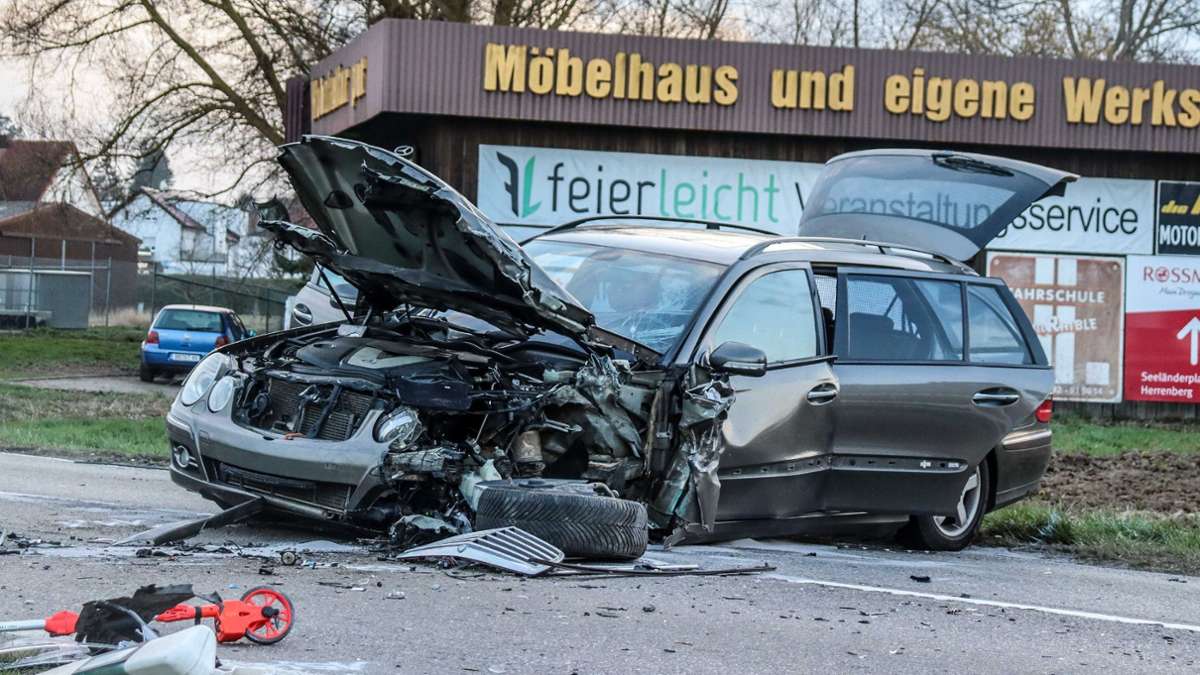
The gravity of the situation at Pfiffka-Kreuzung was starkly highlighted by a recent, devastating Nufringen B14 crash. This incident, which occurred in the late afternoon, involved multiple vehicles and resulted in significant injuries, including a child being severely hurt. Police reports indicate that a 60-year-old Mercedes driver, travelling on the B14 from the Autobahn towards Herrenberg, veered into the oncoming lane for reasons that are still under investigation.
The sequence of events unfolded dramatically:
- An oncoming 45-year-old Seat driver was forced to take evasive action, swerving onto the right-hand green strip to avoid a direct collision. The Seat collided with a traffic bollard, sustaining damage but preventing a head-on impact.
- Directly behind the Seat was a 43-year-old woman driving a Hyundai. Unable to avoid the encroaching Mercedes, she collided frontally with the vehicle. The force of the impact was so severe that her Hyundai overturned, eventually coming to rest on its driver's side on the green strip. Bystanders courageously intervened to right the vehicle.
The human cost of this Unfall Nufringen was considerable. While the Mercedes driver and the Hyundai driver sustained only minor injuries, a 7-year-old girl in the Hyundai was severely injured and had to be airlifted to a hospital for urgent medical attention. The incident caused an estimated €30,000 in damage, rendering both the Mercedes and Hyundai un-driveable and requiring them to be towed away. For several hours, the B14 was completely closed in both directions, leading to major traffic disruptions and long queues as emergency services – including a significant contingent of firefighters, paramedics, and police – worked tirelessly at the scene to rescue the injured, secure the site, and commence their investigation. The Ludwigsburg police are continuing their efforts to reconstruct the exact circumstances, analyzing witness statements and physical evidence from the vehicles.
Why is Pfiffka-Kreuzung an Accident Blackspot? A Deep Dive into Potential Factors
The persistent danger at Pfiffka-Kreuzung prompts a crucial question: What makes this particular location so prone to accidents? Understanding the contributing factors is the first step towards implementing effective safety solutions.
Understanding "Unfallschwerpunkt"
An "Unfallschwerpunkt," or accident blackspot, is a term used in German road safety to designate locations where the number or severity of traffic accidents significantly exceeds average levels. These areas are typically identified through rigorous analysis of accident data over time. For Nufringen's Pfiffka-Kreuzung, this designation indicates a recurring pattern of incidents, suggesting underlying issues that go beyond isolated driver errors. It serves as a clear signal to authorities that systematic intervention is required.
Road Design and Layout
The very design of an intersection can play a critical role in its safety profile. Potential design flaws at Pfiffka-Kreuzung might include:
- Poor Visibility: Limited sightlines due to vegetation, structures, or road curvature can prevent drivers from seeing oncoming traffic or merging vehicles in time.
- Complex Merges/Turns: Intersections with multiple entry/exit points, or those requiring complex maneuvers, can confuse drivers, especially those unfamiliar with the area.
- Inadequate Signage or Markings: If lane guidance, speed limits, or warning signs are unclear, insufficient, or poorly placed, drivers may make incorrect decisions.
- Proximity to High-Speed Routes: As part of the B14 and near an Autobahn exit, drivers might approach the Pfiffka-Kreuzung at higher speeds, making reaction times shorter and impacts more severe. The transition from high-speed driving to an intersection environment can be challenging.
- Lack of Dedicated Lanes: The absence of dedicated turn lanes can lead to sudden braking, rear-end collisions, or drivers swerving into other lanes.
Driver Behaviour
While infrastructure plays a role, human error remains a primary cause of road accidents. At a complex junction like Pfiffka-Kreuzung, common driver behaviours that elevate risk include:
- Distraction: Using mobile phones, adjusting GPS, or even engaging in animated conversations can divert a driver's attention for crucial seconds.
- Speeding: Exceeding the speed limit or driving too fast for conditions reduces reaction time and increases stopping distance.
- Fatigue: Drowsy driving can impair judgment and reaction times as much as alcohol. The incident involving the Mercedes driver crossing into oncoming traffic could, for example, be attributed to momentary lapses in concentration due to fatigue or even a sudden medical emergency.
- Improper Overtaking or Lane Changes: Aggressive or poorly judged maneuvers can lead to side-swipes or head-on collisions.
- Failure to Yield: Misjudging gaps in traffic or failing to obey right-of-way rules at intersections.
Environmental Factors
External conditions can significantly exacerbate risks at an already challenging intersection:
- Adverse Weather: Rain, fog, ice, or snow can drastically reduce visibility, tire grip, and the effectiveness of braking, turning a challenging junction into a treacherous one.
- Lighting Conditions: Accidents are often more frequent during dawn, dusk, or night-time hours when visibility is naturally lower, and glare from oncoming headlights can be an issue.
- Traffic Volume: During peak hours, high traffic density can increase stress levels for drivers and reduce margins for error, making the Pfiffka-Kreuzung even more precarious.
Strategies for Enhanced Road Safety and Accident Prevention in Nufringen
Addressing the challenges at Pfiffka-Kreuzung requires a multi-faceted approach, combining infrastructure improvements with heightened driver awareness and responsible behaviour. The goal is to transform this Unfall Nufringen hotspot into a safe passage for all road users.
Infrastructure Improvements
Local authorities and road safety experts must collaborate to re-evaluate the design and features of the Pfiffka-Kreuzung. Potential enhancements could include:
- Improved Lighting: Ensuring the intersection is brightly and evenly lit, especially during darker hours, can significantly enhance visibility.
- Clearer Road Markings: Repainting faded lines, adding rumble strips before the intersection, and providing clearer lane guidance can direct drivers more effectively.
- Enhanced Signage: Installing more prominent, well-positioned, and perhaps illuminated warning signs for approaching the intersection, upcoming turns, and speed limits.
- Dedicated Turning Lanes: Where feasible, creating separate lanes for turning traffic can reduce congestion and the risk of rear-end collisions or sudden lane changes.
- Speed Cameras or Traffic Calming Measures: Implementing measures to enforce speed limits could encourage drivers to reduce their speed when approaching the junction.
- Roundabout Consideration: In some cases, converting a conventional intersection into a roundabout can improve traffic flow and reduce the severity of collisions, though this would require careful assessment of space and traffic volume.
- Guardrails/Barriers: Strategic placement of barriers could prevent vehicles from entering oncoming lanes in case of an accidental swerve.
A comprehensive road safety audit, involving traffic engineers and accident investigators, is essential to identify the most impactful changes specific to this Nufringen location.
Driver Responsibility and Awareness
No amount of infrastructure improvement can entirely eliminate risk without responsible driver behaviour. Motorists must play an active role in preventing future accidents, particularly at known danger spots like Pfiffka-Kreuzung.
- Defensive Driving: Always anticipate the actions of other drivers. Assume others might make mistakes and be prepared to react.
- Speed Management: Strictly adhere to posted speed limits, and even reduce speed further when approaching intersections or in adverse weather conditions. The extra few seconds gained are not worth the potential cost of a severe Unfall Nufringen.
- Avoid Distractions: Put away mobile phones, minimize interactions with passengers, and focus entirely on the road.
- Maintain Safe Distance: Leave ample space between your vehicle and the one in front, allowing for sufficient braking time.
- Regular Vehicle Checks: Ensure your vehicle is in good working order, especially brakes, tires, and lights.
- Fatigue Awareness: Do not drive when tired. Take regular breaks on longer journeys.
Being extra vigilant when navigating areas identified as accident blackspots like the Pfiffka-Kreuzung can make a significant difference. Pay close attention to road signs, traffic flow, and potential hazards.
Emergency Response and Community Preparedness
While prevention is key, efficient emergency response remains vital. The recent accident demonstrated the professionalism of Nufringen's emergency services. Continuing to invest in training, equipment, and inter-agency coordination ensures that when an accident in Nufringen does occur, victims receive the fastest and most effective aid possible. Educating the public on basic first aid and how to assist at an accident scene safely (e.g., securing the area, calling emergency services) also contributes to overall community preparedness.
Conclusion: A Call for Vigilance and Collective Action to Prevent Future Unfall Nufringen
The Pfiffka-Kreuzung in Nufringen stands as a stark reminder of the ever-present dangers on our roads, particularly at complex intersections. The severe accidents, including the tragic injury to a young child, demand a collective commitment to safety. By combining intelligent infrastructure improvements with a renewed emphasis on driver responsibility and awareness, Nufringen can work towards mitigating the risks at this notorious blackspot. It is a shared responsibility of local authorities, road designers, and every single driver to ensure that the roads are as safe as possible for everyone. Only through vigilance and proactive measures can we hope to prevent another devastating Unfall Nufringen and transform this dangerous intersection into a safe pathway for the community.