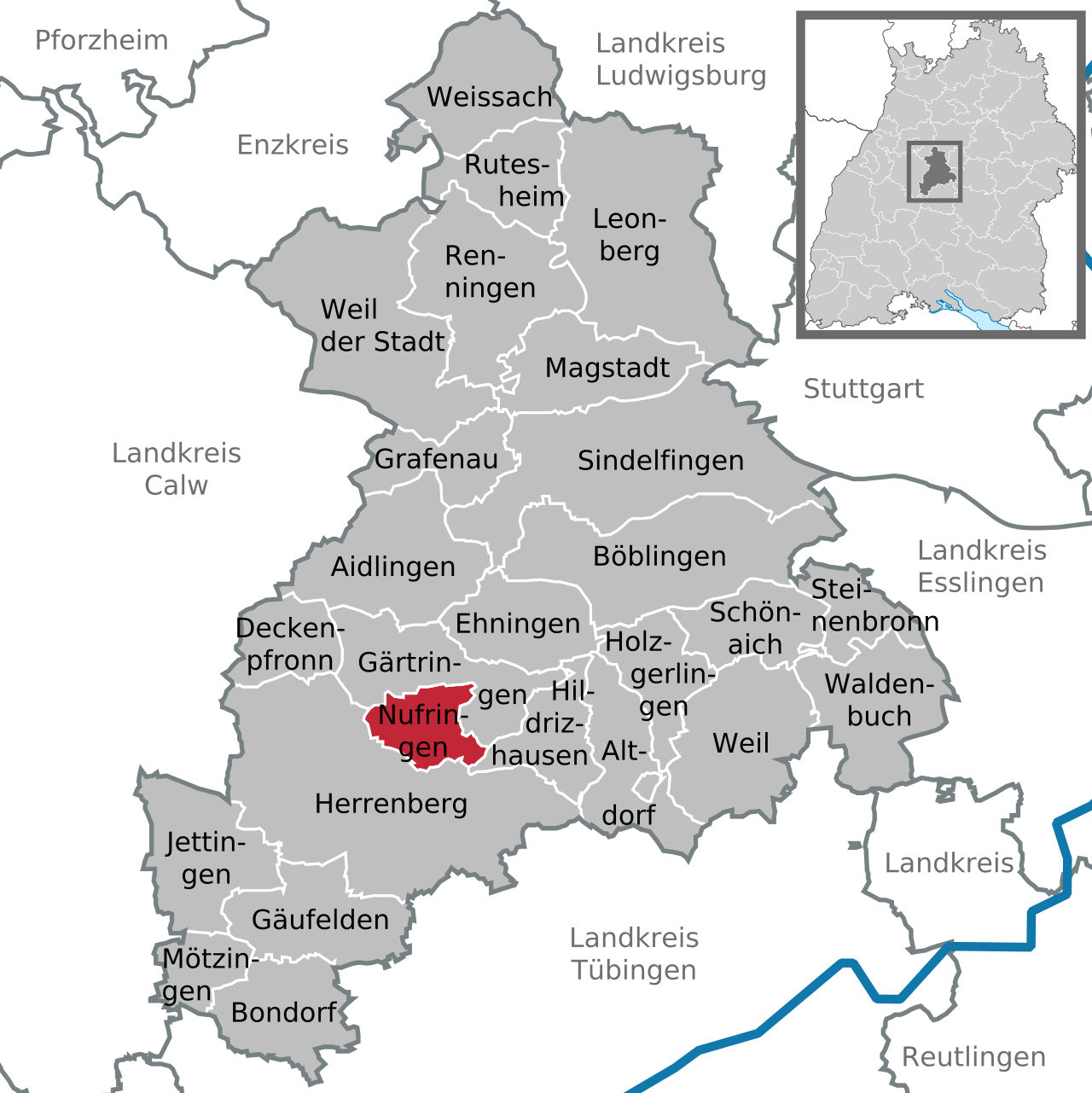
Nufringen B14 Crash: Child Severely Injured, Three Hurt in Multi-Vehicle Collision
A tragic incident recently unfolded on the B14 near Nufringen, sending shockwaves through the local community and highlighting critical concerns about road safety. On a recent Monday afternoon, around 4:30 PM, a severe multi-vehicle collision occurred, leaving three individuals injured, including a seven-year-old child who sustained severe injuries and required immediate air transport to a hospital. This B14 Nufringen Accident: Major Traffic Chaos & Injuries immediately led to significant traffic disruptions and a comprehensive police investigation into the circumstances surrounding the event. The incident specifically occurred at the notorious Pfiffka-Kreuzung (Pfiffka-Crossing), an area already known as an accident blackspot.
Detailing the Tragic Collision on B14
The collision, which involved three vehicles, created a scene of chaos and significant concern for all involved. Eyewitnesses and first responders were confronted with a complex situation requiring immediate and coordinated action.
The Chain of Events Leading to the Unfall Nufringen
According to police reports, the sequence of events began when a 60-year-old driver, operating a Mercedes, was traveling on the B14 from the Autobahn in the direction of Herrenberg. For reasons still under investigation, the Mercedes veered into the oncoming lane. An approaching Seat, driven by a 45-year-old, managed to swerve onto the right grass verge in a desperate attempt to avoid a head-on impact, colliding with a traffic guide post in the process. However, the driver of a Hyundai, a 43-year-old woman traveling directly behind the Seat, was unable to react in time. Her vehicle collided head-on with the Mercedes, resulting in a violent impact that caused the Hyundai to overturn. The Hyundai ultimately came to rest on its driver's side on the right grass verge, necessitating immediate assistance from uninvolved passers-by to right the vehicle.
Immediate Aftermath and Rescue Efforts
The severity of the B14 Nufringen Accident: Major Traffic Chaos & Injuries prompted a rapid and extensive response from emergency services. Firefighters, paramedics, and police units converged on the scene, working swiftly to secure the area, provide critical medical aid to the injured, and manage the burgeoning traffic congestion. The immediate priority was the treatment and evacuation of the casualties. The seven-year-old girl from the Hyundai, having sustained serious injuries, was deemed to require specialized medical care and was airlifted to a nearby hospital by helicopter. Both the 60-year-old Mercedes driver and the 43-year-old Hyundai driver suffered minor injuries and were transported to local hospitals for further examination and treatment. The collision resulted in an estimated €30,000 in damages, with both the Mercedes and Hyundai rendered inoperable and requiring towing from the scene.
The Human Cost: Injuries and Long-Term Impact
While property damage and traffic disruptions are immediate consequences of such an event, the most profound impact is always on the individuals involved. The injuries sustained, particularly by the young child, underscore the devastating human cost of road accidents.
Focus on the Severely Injured Child
The seven-year-old girl's severe injuries are a stark reminder of the vulnerability of children in traffic incidents. While specific details of her condition have not been publicly disclosed, the decision to airlift her suggests the seriousness of her trauma, often requiring specialized pediatric care. Recovery from such an ordeal can be a long and challenging journey, encompassing not only physical rehabilitation but also potential psychological support to cope with the trauma of the event. Our thoughts remain with the child and her family during this difficult time.
Beyond the Physical: Emotional and Community Impact
Even those who suffer minor physical injuries or witness such a horrific Unfall Nufringen can experience lasting emotional and psychological effects. Post-traumatic stress, anxiety, and fear of driving are common responses. For the Nufringen community, accidents like this serve as a painful reminder of the inherent risks of road travel and often spur discussions about necessary safety improvements. The incident leaves a communal impact, fostering empathy for those affected and prompting collective reflection on how to prevent similar tragedies.
Nufringen's Pfiffka-Kreuzung: A Known Accident Blackspot
The fact that this serious Unfall Nufringen occurred at the Pfiffka-Kreuzung is not merely coincidental; this intersection has gained an unfortunate reputation as an accident blackspot. Understanding why certain locations become prone to accidents is crucial for implementing effective prevention strategies.
Why Pfiffka-Kreuzung Poses a Danger
An accident blackspot is a location where multiple traffic accidents have occurred within a specific timeframe, often indicating underlying design flaws, inadequate signage, or unique environmental factors that contribute to increased risk. While the exact causes for the Pfiffka-Kreuzung's hazardous nature are subject to ongoing analysis, common issues at such intersections can include:
- Visibility Issues: Limited sightlines due to vegetation, structures, or road curvature can prevent drivers from seeing oncoming traffic or hazards in time.
- Complex Layout: Intersections with multiple lanes, confusing turn signals, or unusual geometry can overwhelm drivers, leading to misjudgments.
- High Traffic Volume: A large number of vehicles, especially during peak hours, increases the probability of conflicts and collisions.
- Speed Discrepancies: If drivers approach the intersection at vastly different speeds, or if speeds are too high for the intersection's design, the risk of severe accidents escalates.
- Driver Behavior: Factors like driver inattention, speeding, or disregarding traffic rules can exacerbate existing road design challenges.
Addressing these factors requires a multi-pronged approach, often involving engineering changes, improved signage, stricter enforcement, and public awareness campaigns. For a deeper dive into this specific location, read our analysis: Nufringen's Pfiffka-Kreuzung: An Accident Blackspot Analysis.
Preventing Future Tragedies: Safety Tips for Drivers
While authorities investigate and work to improve road infrastructure, individual drivers play a critical role in enhancing road safety. Every driver's vigilance and adherence to traffic laws can collectively contribute to reducing the frequency and severity of accidents, even in challenging areas like the Pfiffka-Kreuzung.
Actionable Advice for Safer Driving
- Stay Alert and Focused: Avoid all distractions, including mobile phones, eating, or complex infotainment systems. Keep your eyes on the road and your mind on driving.
- Maintain a Safe Following Distance: This provides crucial reaction time in case of sudden stops or unexpected maneuvers by other vehicles, particularly important at intersections and on high-speed roads like the B14.
- Obey Speed Limits: Speed limits are set for a reason, considering road conditions, curves, and potential hazards. Reduce your speed, especially when approaching intersections or areas known for accidents.
- Anticipate Hazards: Drive defensively. Always assume other drivers might make mistakes and be prepared to react. Look for potential conflicts ahead, such as vehicles indicating turns, slowing down, or merging.
- Exercise Caution at Intersections: Be extra vigilant at crossroads, even if you have the right of way. Double-check for oncoming traffic before proceeding, and be aware of potential blind spots.
- Regular Vehicle Maintenance: Ensure your vehicle is in good working order, with properly inflated tires, functional brakes, and clear lights. A well-maintained car reduces the risk of mechanical failure contributing to an accident.
Navigating Traffic After an Unfall Nufringen: What Drivers Should Know
When a serious incident like the recent Unfall Nufringen occurs, it inevitably leads to significant traffic disruptions. Knowing how to react and what to expect can help drivers navigate these challenging situations more safely and efficiently.
Tips for Dealing with Road Closures and Diversions
- Stay Informed: Before embarking on a journey, check local traffic reports, news, or dedicated traffic apps for real-time updates on road closures, accidents, and diversions.
- Follow Police Instructions: Always adhere to the directions given by police officers and emergency personnel on-site. They are managing the situation for everyone's safety and efficient flow.
- Be Patient: Traffic delays are inevitable during serious incidents. Remain calm, avoid aggressive driving, and be prepared for longer travel times.
- Plan Alternative Routes: If you are aware of a significant closure, consider alternative routes well in advance, if available.
- Maintain Emergency Lane Access: Never block emergency lanes or shoulders; these are vital for first responders to reach the scene quickly.
The B14, being a major thoroughfare, experienced considerable delays and full closures for approximately two hours following the accident, leading to significant congestion in both directions. Police diverted traffic, but local drivers are advised to seek alternative routes during such events. For more insights into how such incidents impact regional travel, refer to: B14 Nufringen Accident: Major Traffic Chaos & Injuries.
Conclusion
The recent Unfall Nufringen on the B14, which left a child severely injured and two adults with minor injuries, serves as a sobering reminder of the ever-present dangers on our roads. The incident at the Pfiffka-Kreuzung, a known accident blackspot, underscores the critical need for ongoing vigilance from drivers and continuous evaluation of road infrastructure by authorities. While investigations are underway to pinpoint the exact cause of this specific collision, the broader message remains clear: road safety is a shared responsibility. By practicing defensive driving, eliminating distractions, adhering to traffic laws, and supporting initiatives for safer road design, we can all contribute to preventing future tragedies and ensuring that our roads are safe for everyone. Our thoughts are with the injured and their families as they embark on their path to recovery.