B14 Nufringen Accident: Major Traffic Chaos & Injuries
The peaceful afternoon commute along the B14 near Nufringen was tragically disrupted recently by a severe Unfall Nufringen, sending shockwaves through the local community and causing extensive traffic disruptions. What began as a routine journey quickly escalated into a scene of chaos and concern, involving multiple vehicles and leaving three individuals injured, including a critically wounded child. This incident not only highlights the inherent dangers on our roads but also casts a spotlight on specific high-risk locations, such as the infamous Pfiffka-Kreuzung.
Detailed Account of the Catastrophic Collision on B14
The dramatic Nufringen B14 Crash: Child Severely Injured, Three Hurt unfolded on a Monday afternoon, around 4:30 PM, on the Bundesstraße 14 at the height of Nufringen. According to police reports, a 60-year-old Mercedes driver was traveling from the Autobahn towards Herrenberg. For reasons still under investigation, his vehicle veered into the oncoming lane, setting off a chain of events that would leave lasting consequences.
An initial attempt to avoid a head-on collision was made by a 45-year-old Seat driver approaching from the opposite direction. Reacting quickly, the Seat driver swerved onto the right-hand green verge, narrowly missing the rogue Mercedes but colliding instead with a traffic guide post. This evasive action, while preventing one disaster, positioned the Seat to bear witness to the subsequent, more severe impact.
Tragically, directly behind the Seat was a 43-year-old woman driving a Hyundai. Unable to react in time or avoid the encroaching Mercedes, she collided frontally with the luxury sedan. The force of the impact was immense, causing the Hyundai to violently flip over, eventually coming to rest on its driver's side on the right-hand green strip. Bystanders and initial responders immediately rushed to the scene, working together to right the overturned vehicle, a testament to community spirit in moments of crisis.
The aftermath was grim. The 60-year-old Mercedes driver and the 43-year-old Hyundai driver sustained minor injuries. However, the most heartbreaking consequence was the severe injury to a seven-year-old girl who was a passenger in the Hyundai. Her condition necessitated immediate and specialized medical attention, leading to her being airlifted by rescue helicopter to a hospital. The vehicles involved, the Mercedes and the Hyundai, were extensively damaged, with an estimated total damage exceeding 30,000 Euros, rendering both inoperable and requiring them to be towed from the scene.
The Pfiffka-Kreuzung: A Notorious Accident Blackspot
This particular Unfall Nufringen took place at or very near the notorious Pfiffka-Kreuzung (Pfiffka Intersection) – a location that has unfortunately gained a reputation as an "Unfallschwerpunkt," or accident blackspot. The frequency and severity of incidents at this intersection have long been a cause for concern among local authorities and residents alike. But what factors contribute to an intersection earning such a grim title?
Accident blackspots are typically characterized by a confluence of challenging factors. These can include suboptimal road design, such as unclear signage, insufficient visibility due to geographical features or roadside vegetation, or complex lane configurations that confuse drivers. High-speed approaches combined with sudden changes in road conditions or the need for rapid decision-making can also elevate risk. Furthermore, the volume of traffic and the types of vehicles using the intersection play a significant role. For an in-depth exploration of this problematic junction, refer to Nufringen's Pfiffka-Kreuzung: An Accident Blackspot Analysis.
The persistent danger at the Pfiffka-Kreuzung underscores the urgent need for a comprehensive review of its infrastructure and traffic management strategies. While driver error is often a primary cause in many accidents, the repeated occurrence of serious incidents at specific locations suggests that environmental or design flaws may be significant contributing factors, warranting engineering solutions alongside driver education campaigns.
Immediate Aftermath, Emergency Response, and Traffic Disruption
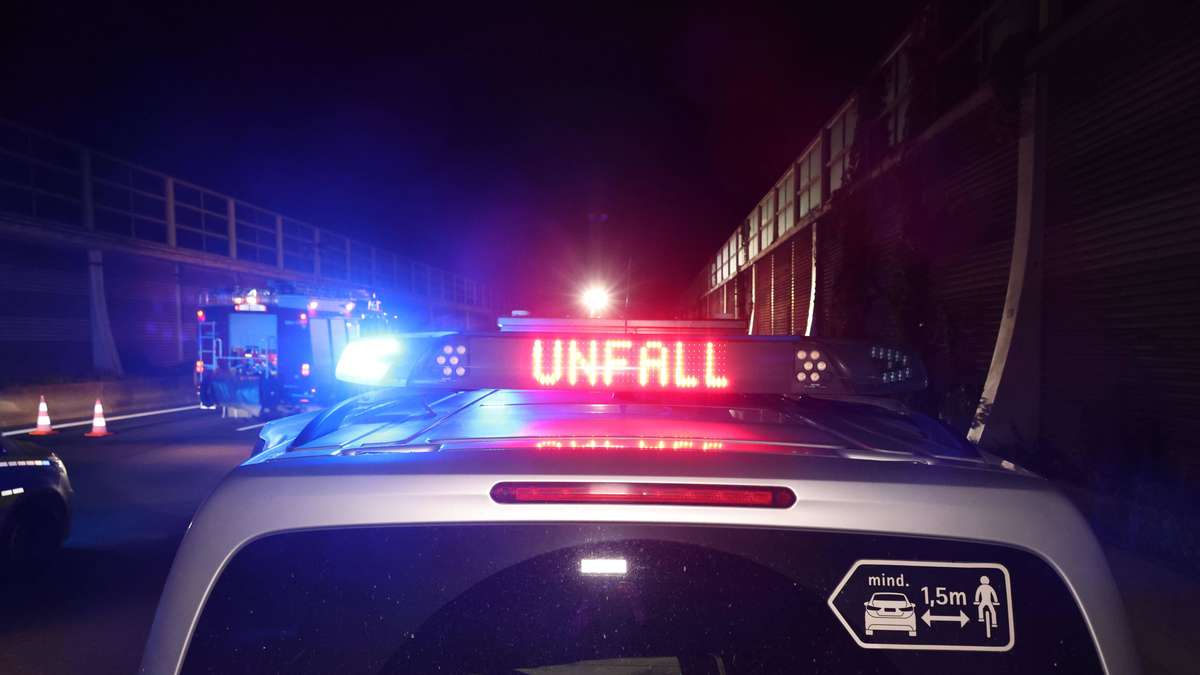
Following the major Unfall Nufringen, the B14 transformed into a scene of intense emergency activity. Multiple units from the fire department, paramedics, and police rushed to the location. The presence of a rescue helicopter, essential for the rapid transfer of the severely injured child, further emphasized the gravity of the situation. The coordinated efforts of these emergency services were critical in providing immediate medical aid, securing the accident site, and initiating the subsequent investigation.
To facilitate the rescue operations, gather evidence, and ensure the safety of all involved, the B14 had to be fully closed in both directions. This necessary measure, which lasted for approximately two hours, inevitably led to significant traffic chaos. Long queues formed rapidly in both directions, stretching for kilometers and causing considerable delays for commuters and local residents. Police officers were deployed to manage the flow of traffic, directing vehicles onto alternative routes, a challenge in an area not always familiar to all drivers. The closure highlighted the critical role the B14 plays in the regional transport network, with any disruption having far-reaching consequences for mobility and daily life.
Preventing Future Accidents: Essential Driving Tips and Vigilance
While investigations continue to pinpoint the exact cause of this latest Unfall Nufringen, such incidents serve as a stark reminder of the paramount importance of road safety. Many accidents, particularly those involving unexpected lane departures or complex intersection maneuvers, can often be mitigated or avoided through vigilant and defensive driving practices. Here are some critical tips for navigating not only the B14 but any road, especially accident-prone areas:
- Maintain Vigilance: Always be fully attentive to your surroundings. Scan the road ahead, check mirrors frequently, and be aware of vehicles to your sides and rear.
- Respect Speed Limits: Adhering to posted speed limits, and even reducing speed in adverse conditions or at known problem spots, provides more time to react to unexpected situations.
- Avoid Distractions: Mobile phones, in-car entertainment systems, and even engaging conversations can divert attention from the road. Focus entirely on driving.
- Keep a Safe Distance: Maintain adequate following distance to the vehicle ahead. This "two-second rule" (or more in poor conditions) gives you crucial time to brake or react if they stop suddenly or swerve.
- Anticipate Others: Drive defensively, assuming other drivers might make mistakes. Watch for signs of erratic driving, sudden braking, or drivers struggling to maintain their lane.
- Exercise Caution at Intersections: Approach intersections with heightened awareness. Look both ways, even on green lights, and be prepared for drivers running red lights or making unexpected turns.
- Regular Vehicle Maintenance: Ensure your vehicle is in top condition, especially brakes, tires, and lights, to perform optimally in emergencies.
For areas identified as accident blackspots like the Pfiffka-Kreuzung, drivers should exercise an extra degree of caution. Local knowledge, if available, can be invaluable, but even without it, increased focus and reduced speed in such areas are always advisable.
Investigation and Legal Implications
The Ludwigsburg police have launched a comprehensive investigation into the exact circumstances surrounding this Unfall Nufringen. This process involves gathering witness statements, analyzing evidence from the accident scene, and meticulously examining the damaged vehicles. Reconstructing the sequence of events is crucial for understanding why the 60-year-old Mercedes driver veered into oncoming traffic.
Depending on the findings, the driver at fault could face various legal consequences, ranging from fines and points on their license to charges of negligent bodily harm, especially given the severe injury sustained by the child. Such investigations not only seek to assign blame but also to identify any systemic issues or contributing factors that could inform future road safety measures and prevent similar tragedies.
Conclusion
The recent Unfall Nufringen on the B14 near the Pfiffka-Kreuzung serves as a potent reminder of the fragility of life and the critical importance of road safety. The severe injuries, particularly to a young child, and the widespread disruption caused by the incident, underscore the profound impact that such accidents have on individuals, families, and the wider community. As authorities continue their investigation and explore potential improvements for known danger zones like the Pfiffka-Kreuzung, the responsibility ultimately falls on every driver to practice vigilance, adhere to traffic laws, and prioritize safety above all else. Only through collective effort and unwavering commitment to safe driving can we hope to reduce the frequency and severity of such devastating events on our roads.